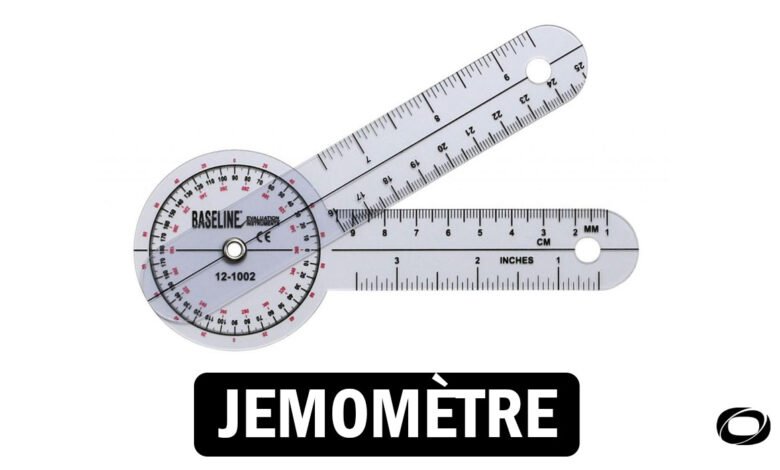
Jemomètre is a measuring tool that helps people track and evaluate specific values or levels in a clear and simple way. Whether you are a student, a professional, or just someone curious about measurement tools, understanding what a jemomètre is and how it works can be very useful. In this article, you will learn everything you need to know about the jemomètre, including its definition, main uses, and the benefits it brings to everyday life.
What Is a Jemomètre?
A jemomètre is a device or instrument used to measure a specific quantity or level. The word comes from French origins, where “mètre” means “to measure.” Like many other measuring tools, it helps users get accurate readings in a fast and reliable way.
The jemomètre is designed to make measurement easy for everyone. It gives clear results and removes the guesswork from tasks that require precision. Many professionals use it in their daily work to save time and avoid errors.
How Does a Jemomètre Work?
The jemomètre works by detecting a specific input and converting it into a readable output. The user simply places or connects the device to the subject being measured, and the tool displays the result clearly.
Most modern jemomètres are easy to operate. They come with simple controls and a display screen that shows the measured value. Some models also include digital features, such as memory storage and data recording, which make them even more practical for regular use.
Main Uses of a Jemomètre
The jemomètre has a wide range of uses across different fields. Here are some of the most common areas where people use it:
- Education: Teachers and students use it in science classes to practice measurement skills.
- Healthcare: Medical professionals use similar tools to monitor patient health levels accurately.
- Industry: Engineers and technicians rely on it to check equipment performance.
- Research: Scientists use it to collect data during experiments and studies.
Each of these uses shows how flexible and practical the jemomètre is. It fits into many different situations and helps users get the information they need quickly.
Key Benefits of Using a Jemomètre
One of the biggest benefits of the jemomètre is its accuracy. When you need a precise measurement, this tool delivers reliable results every time. This helps users make better decisions based on real data rather than guesses.
Another great benefit is how easy it is to use. Even people with no technical background can learn to operate a jemomètre in just a few minutes. Its simple design and clear display make it accessible to almost everyone, from beginners to experts.
Why Accuracy Matters in Measurement
Accurate measurement plays a very important role in many areas of life. In medicine, a small error in measurement can affect a patient’s treatment. In construction, wrong measurements can lead to costly mistakes. The jemomètre helps reduce these risks by providing consistent and trustworthy readings.
Using the right tool for the right job also saves time. When you trust your measurements, you spend less time double-checking and more time getting things done. The jemomètre supports this by delivering results you can count on from the very first use.
Types of Jemomètres
There are different types of jemomètres available today, and each one serves a specific purpose. Some are analog, meaning they use a physical dial or needle to show the result. Others are digital, displaying numbers on an electronic screen for easier reading.
Choosing the right type depends on your needs. If you need a quick and simple reading, an analog model works well. If you need more detail or want to save your data, a digital jemomètre is the better choice. Both types are effective and have their own advantages.
How to Use a Jemomètre Correctly
Using a jemomètre correctly is simple if you follow a few basic steps. First, make sure the device is clean and in good working condition. Then, connect or position it properly on the item you want to measure.
Next, wait for the reading to stabilize before recording the result. If you are using a digital model, press the record button to save the data. Always store the device in a safe place after use to keep it in good condition for next time.
Tips for Getting the Best Results
To get the most accurate results from your jemomètre, always calibrate it before use. Calibration means checking that the device gives the correct reading under known conditions. Many manufacturers include a calibration guide in the product manual.
Also, avoid using the device in extreme temperatures or humid environments unless it is built for those conditions. Taking care of your jemomètre will extend its life and keep its readings accurate over time.
Conclusion
The jemomètre is a simple but powerful tool that makes measurement easy, fast, and reliable. It works well in many fields, from education and healthcare to industry and research. Its key benefits, including accuracy, ease of use, and versatility, make it a valuable tool for anyone who needs dependable measurements. If you need a tool that gives you trustworthy results without any hassle, the jemomètre is a great choice.
Frequently Asked Questions (FAQs)
1. What does a jemomètre measure?
A jemomètre measures specific quantities or levels depending on its type. It can be used to measure physical, chemical, or environmental values based on its design.
2. Is a jemomètre easy to use?
Yes, most jemomètres are very user-friendly. They come with simple controls and clear displays that make them easy to operate for beginners and professionals alike.
3. Where can I buy a jemomètre?
You can find jemomètres in scientific supply stores, hardware shops, and online marketplaces. Always choose a trusted brand for the best quality and accuracy.
4. How do I maintain my jemomètre?
Clean the device regularly, store it in a dry place, and calibrate it before each use. Following the manufacturer’s instructions will help keep it working well for a long time.
5. What is the difference between analog and digital jemomètres?
Analog jemomètres use a dial or needle to show results, while digital ones display numbers on a screen. Digital models are easier to read and often include extra features like data storage.
Discover more fascinating content at Fusio News