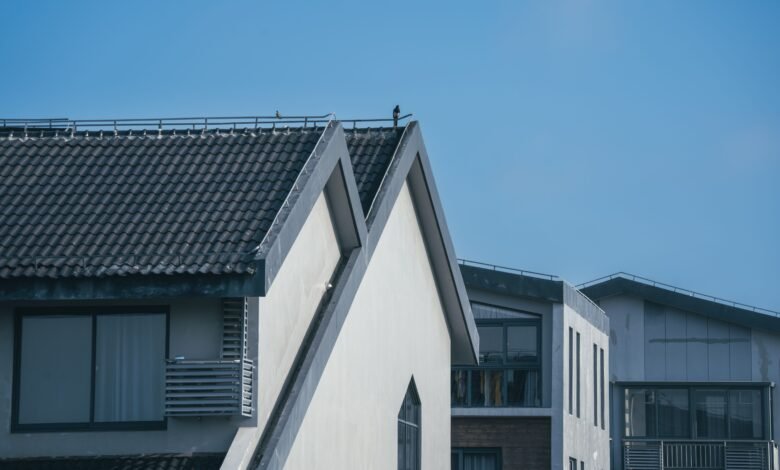
Severe weather can affect homes in every region, bringing heavy rain, strong winds, hail, and rapid temperature changes that strain exterior structures. Protecting your home from these conditions requires a combination of preventive maintenance, strategic upgrades, and ongoing awareness of how weather impacts different materials. When homeowners take proactive steps, they reduce long term repair costs and strengthen the overall durability of their property. A thoughtful approach ensures that the home remains safe, resilient, and prepared for unpredictable conditions.
Reinforce Roofing Materials for Long-Term Durability
A strong roof is one of the most important defenses against severe weather. Concepts like roof integrity and storm resilience highlight how roofing materials influence protection.
High quality shingles, proper underlayment, and secure flashing help prevent leaks and structural damage during heavy storms. Many homeowners rely on Ace Roofing in Austin for guidance on selecting durable materials and reinforcing vulnerable areas. Professional inspections ensure that the roof can withstand wind uplift, hail impact, and prolonged exposure to moisture. When roofing systems are maintained regularly, they provide reliable protection year after year.
Improve Drainage Systems to Prevent Water Accumulation
Effective drainage plays a major role in protecting the home from water damage. Concepts like water management and foundation protection reinforce how drainage influences structural stability.
Clean gutters, properly angled downspouts, and well maintained grading help direct water away from the home. When water accumulates near the foundation, it can lead to erosion, cracks, or basement leaks. Ensuring that drainage systems function correctly reduces the risk of flooding and prevents moisture from seeping into vulnerable areas. Regular checks during rainy seasons help maintain consistent performance.
Strengthen Windows and Doors Against High Winds
Windows and doors are common entry points for wind and debris during severe weather. Concepts like structural reinforcement and impact resistance highlight how upgrades improve safety.
Installing storm shutters, upgrading to impact resistant glass, or reinforcing frames helps reduce the likelihood of breakage. Proper sealing also prevents drafts and moisture intrusion, supporting both comfort and protection. When windows and doors are fortified, they help maintain the home’s structural envelope and reduce the risk of interior damage.
Maintain Landscaping to Reduce Exterior Hazards
Landscaping plays a significant role in protecting the home from severe weather. Concepts like landscape safety and storm preparation reinforce how outdoor maintenance influences risk.
Trimming branches, removing dead trees, and securing outdoor furniture help prevent debris from damaging the home during storms. Proper placement of shrubs and plants also supports drainage and reduces soil erosion. When landscaping is maintained thoughtfully, it becomes an additional layer of protection that supports the home’s exterior resilience.
Inspect Exterior Structures for Early Signs of Wear
Regular inspections help homeowners identify issues before they become major problems. Concepts like preventive maintenance and weather readiness highlight how early detection supports long term durability.
Checking siding, roofing, gutters, and outdoor fixtures for cracks, loose components, or water damage ensures that repairs can be made promptly. Addressing small issues early prevents them from worsening during severe weather events. Consistent inspections help maintain the home’s protective features and reduce unexpected repair costs.
Conclusion
Protecting your home from severe weather damage involves reinforcing roofing materials, improving drainage, strengthening windows and doors, maintaining landscaping, and conducting regular exterior inspections. When these strategies work together, homeowners gain a more resilient property that remains safe and secure through changing weather conditions.