

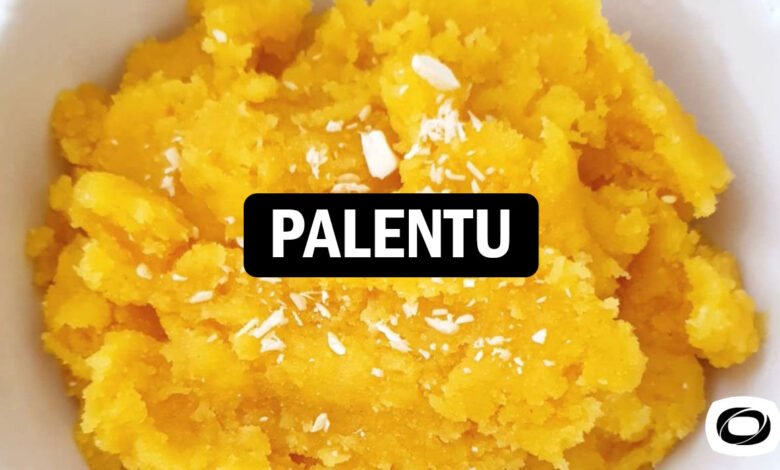
Palentu is a traditional cornmeal dish with deep roots in European food culture. It is simple, filling, and easy to make. For many families across Italy, Croatia, and the Balkans, it has been a regular meal for hundreds of years. Today, more people around the world are rediscovering palentu as a healthy, affordable, and delicious comfort food. In this article, we will look at its history, how to make it, its health benefits, and why it is becoming popular again.
What Is Palentu?
Palentu is a thick porridge made from ground cornmeal cooked in water, milk, or broth. It is closely related to the Italian dish polenta, and in many countries, the two names are used for the same type of food. The word “palentu” is commonly used in Croatian and Slovenian regions, while “polenta” is the more well-known Italian name.
The dish has a soft, creamy texture when served warm, and it becomes firm and sliceable when it cools down. This makes it very flexible in the kitchen. You can eat it soft like a porridge or slice it and fry it for a crispy texture. Palentu works well as a side dish, a main meal, or even a sweet breakfast.
A Brief History of Palentu
The history of palentu goes back a very long time. Before corn came to Europe, people in ancient Rome made a similar porridge called “puls” using grains like barley, millet, and spelt. This early version was a cheap and filling meal for farmers and soldiers.
Everything changed in the 16th century when corn arrived in Europe from the Americas through the Columbian Exchange. Corn grew very well in northern Italy, and soon cornmeal replaced older grains in many dishes. By the 17th century, the corn-based version of palentu became a key food for working-class families across northern Italy and neighboring countries. It spread to Croatia, Slovenia, and the Balkans, where local variations developed over time.
How Palentu Spread Across Europe
As corn became more common across Europe, palentu traveled with it. In Croatia and Slovenia, it became a family staple often served at the dinner table alongside stews and cheeses. In Serbia, a similar dish called kačamak is still popular today. In parts of northern Italy like Veneto, Lombardy, and Piedmont, polenta (the local name for palentu) became central to the local food culture.
Even beyond Europe, similar dishes appeared in other parts of the world. In South America, a comparable dish called cuscuz is made from cornmeal. In parts of Africa and the southern United States, cornmeal porridges with the same basic idea are enjoyed every day. This shows how palentu as a concept is truly universal. It speaks to people’s need for simple, satisfying food made from basic ingredients.
How to Make Palentu at Home
Making palentu at home is not difficult. You only need a few basic ingredients: cornmeal, water or milk, salt, and butter or cheese if you like. The key to a good result is slow cooking and regular stirring.
Here is a simple method to follow. Bring 4 cups of water or milk to a boil in a large pot and add a teaspoon of salt. Slowly pour in 1 cup of coarse cornmeal while stirring to prevent lumps from forming. Reduce the heat to low and stir frequently for about 30 to 45 minutes until the mixture becomes thick and creamy. At the end, stir in a tablespoon of butter and some grated cheese if you want a richer flavor. Pour it into a bowl and serve it warm, or pour it into a greased tray to cool and slice later.
Popular Ways to Serve Palentu
One of the best things about palentu is how many ways you can serve it. Warm and creamy palentu pairs perfectly with slow-cooked beef, pork stew, or sauteed mushrooms. In northern Italy, a popular version called polenta taragna mixes cornmeal with buckwheat flour and melted cheese for a rich, hearty dish.
For a lighter meal, you can top warm palentu with roasted vegetables, a fried egg, or fresh herbs. If you let it cool and slice it, you can fry or grill the pieces and serve them as a tasty snack or side dish. Palentu also works well in sweet versions. Some families top it with warm milk, honey, or fruit for a simple breakfast bowl. The possibilities are truly endless.
Health Benefits of Palentu
Palentu is not just tasty, it is also good for your body. Cornmeal is a good source of complex carbohydrates, which give you steady energy throughout the day. It also contains fiber, which supports healthy digestion, and important minerals like magnesium and phosphorus.
One important health fact is that cornmeal is naturally gluten-free. This makes palentu a great option for people with gluten sensitivity or celiac disease. When you serve palentu with vegetables, lean meats, or legumes, it becomes a well-balanced and nutritious meal. Compared to many processed foods, it is a whole, natural option with no additives or artificial ingredients.
Why Palentu Is Making a Comeback
In recent years, there has been a growing interest in traditional and whole foods. Many people are moving away from highly processed meals and looking for simple, natural options with a real history. Palentu fits perfectly into this trend. It is affordable, easy to prepare, and made from a single natural ingredient.
Food writers, chefs, and nutritionists are all talking about palentu today. Fine dining restaurants in Italy and across Europe now serve elegant versions of the dish alongside truffles, seafood, and artisan cheeses. At the same time, home cooks love it because it is budget-friendly and can feed a family with very little effort. Whether you are eating it in a high-end restaurant or making it at home on a weekday night, palentu delivers real comfort and flavor.
Conclusion
Palentu is a dish with a rich past and a bright future. It started as simple peasant food and has grown into a beloved comfort meal enjoyed by people all over the world. Its creamy texture, mild flavor, and incredible flexibility make it easy to include in any meal plan. Whether you are new to palentu or grew up eating it, there is always a new way to enjoy it.
Frequently Asked Questions (FAQs)
1. What is the difference between palentu and polenta?
Palentu and polenta refer to the same type of cornmeal dish. “Polenta” is the Italian name, while “palentu” is commonly used in Croatian and Slovenian regions. The preparation is very similar in both cases.
2. Is palentu gluten-free?
Yes, palentu made from pure cornmeal is naturally gluten-free. It is a good option for people who cannot eat gluten, as long as the cornmeal has not been processed in a facility that handles wheat.
3. How long does it take to cook palentu?
Basic palentu takes about 30 to 45 minutes of slow cooking on low heat. Instant or pre-cooked cornmeal versions can be ready in just 5 minutes, but the traditional slow-cooked version has a much better texture and flavor.
4. Can you make palentu without dairy?
Yes, you can make palentu with water instead of milk and skip the butter and cheese. You can add olive oil and herbs for extra flavor. This makes it a great option for people who follow a vegan or dairy-free diet.
5. What are the best toppings for palentu?
Some of the best toppings include sauteed mushrooms, slow-cooked meat, grated cheese, roasted vegetables, or a simple fried egg. For a sweet version, try warm honey, fresh fruit, or yogurt on top.
Discover more fascinating content at Fusio News
