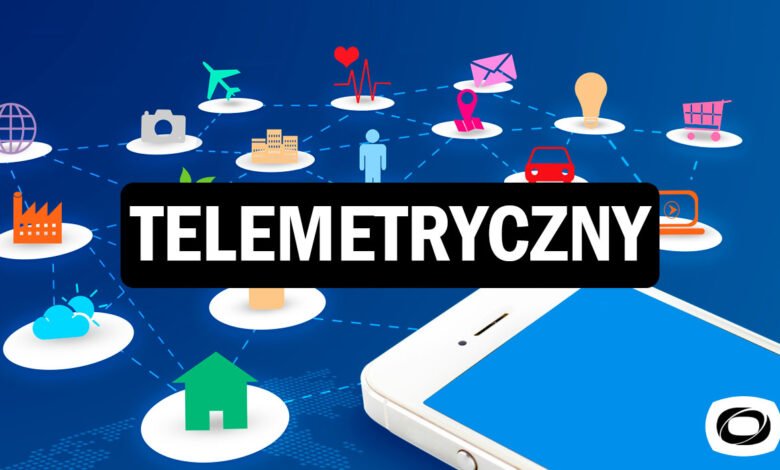
Telemetryczny, a Polish word for “telemetric,” refers to a method of collecting and sending data from remote locations to a central system. This technology allows people to monitor equipment, health conditions, vehicles, and many other things without being physically present. Over the years, telemetryczny monitoring has become a key part of modern life. From hospitals to farms, and from space missions to everyday cars, this technology helps us stay informed and make better decisions. In this article, you will learn what telemetryczny monitoring is, how it works, where it is used, and why it matters so much today.
What Is Telemetryczny Monitoring?
Telemetryczny monitoring is the process of measuring data at one location and sending it to another location for analysis. The word comes from the Greek words “tele” (far) and “metron” (measure). In simple terms, it means measuring something from a distance. Sensors placed on machines, vehicles, or even people collect information like temperature, speed, pressure, or heart rate. This information then travels through wireless networks, radio signals, or the internet to a computer or control center.
The main goal of telemetryczny monitoring is to give real-time information without needing someone to be at the exact spot. For example, a doctor can check a patient’s heart rate from another room, or an engineer can monitor a pipeline hundreds of kilometers away. This saves time, reduces costs, and helps prevent problems before they become serious.
How Does Telemetryczny Technology Work?
The process starts with sensors. These small devices detect changes in the environment, such as movement, heat, humidity, or pressure. Once a sensor picks up data, it converts it into an electrical signal. A transmitter then sends this signal to a receiving station. The receiving station can be a computer, a server, or a cloud-based system.
Modern telemetryczny systems use wireless communication methods like Wi-Fi, Bluetooth, cellular networks, or satellite connections. The data arrives at the central system almost instantly. Software then processes and displays the data in charts, graphs, or dashboards. This allows operators to see trends, spot problems, and take action quickly.
Key Uses of Telemetryczny Systems
Healthcare
Telemetryczny monitoring plays a major role in healthcare. Hospitals use it to track patient vital signs like heart rate, blood pressure, and oxygen levels. Wearable devices, such as smartwatches and fitness trackers, also use this technology. Patients with chronic conditions can stay at home while their doctors monitor their health remotely. This reduces hospital visits and helps doctors respond faster during emergencies.
Automotive and Transportation
The automotive industry uses telemetryczny systems in many ways. Fleet management companies track the location, speed, and fuel use of their vehicles in real time. Insurance companies use telematics to monitor driving habits and offer personalized rates. Electric vehicle manufacturers rely on this technology to check battery health and performance. Self-driving car technology also depends heavily on telemetryczny data to make safe decisions on the road.
Agriculture
Farmers use telemetryczny monitoring to improve crop production and save resources. Soil sensors measure moisture levels, nutrient content, and temperature. Weather stations on farms collect local climate data. This information helps farmers decide when to water, fertilize, or harvest their crops. Precision agriculture, powered by telemetryczny tools, reduces waste and increases crop yields.
Space and Aviation
Space agencies like NASA have used telemetryczny systems since the early days of space exploration. Rockets, satellites, and space stations send data back to Earth about their speed, altitude, temperature, and structural health. In aviation, aircraft systems send flight data to ground control in real time. This helps engineers monitor aircraft performance and ensures passenger safety.
Energy and Utilities
Power plants, oil refineries, and water treatment facilities all rely on telemetryczny monitoring. Sensors track equipment performance, detect leaks, and measure energy output. Smart grids use this technology to balance electricity supply and demand. Wind turbines and solar panels also send performance data to control centers. This helps companies maintain their equipment and reduce downtime.
Benefits of Telemetryczny Monitoring
Real-Time Data Access
One of the biggest advantages is access to live data. Operators can see what is happening at any moment. This helps them make fast and informed decisions. In emergency situations, real-time data can save lives, prevent accidents, or stop costly equipment failures.
Cost Savings
Telemetryczny systems reduce the need for on-site inspections. Companies save money on travel, labor, and manual data collection. Predictive maintenance, made possible by continuous monitoring, prevents expensive breakdowns. Businesses can fix small issues before they turn into big problems.
Improved Safety
In industries like mining, oil, and gas, telemetryczny monitoring keeps workers safe. Sensors can detect dangerous conditions like gas leaks, high temperatures, or structural weakness. Alerts go out immediately, giving workers time to move to safety. In healthcare, remote monitoring helps doctors catch health issues early and provide timely treatment.
Better Decision Making
With accurate and up-to-date information, managers and operators can plan better. They can see patterns, predict future needs, and allocate resources more wisely. Data-driven decisions lead to higher efficiency and better results across all industries.
Challenges of Telemetryczny Systems
No technology is perfect, and telemetryczny monitoring faces some challenges. Data security is a top concern. Sending sensitive information over networks creates risks of hacking or data breaches. Companies must invest in strong encryption and security measures to protect their data.
Another challenge is the cost of setting up a telemetryczny system. High-quality sensors, communication equipment, and software can be expensive. Smaller businesses may find it hard to afford the initial investment. However, the long-term savings often make up for the upfront costs. Connectivity can also be an issue in remote areas where internet or cellular coverage is weak.
The Future of Telemetryczny Technology
The future of telemetryczny monitoring looks very promising. The growth of the Internet of Things (IoT) means more devices will connect and share data than ever before. 5G networks will allow faster and more reliable data transfer. Artificial intelligence will help analyze large amounts of telemetryczny data and find patterns that humans might miss.
In healthcare, we can expect more advanced wearable devices that monitor a wider range of health indicators. In transportation, connected vehicles will communicate with each other and with road systems to improve safety and reduce traffic. Smart cities will use telemetryczny networks to manage everything from traffic lights to waste collection.
Conclusion
Telemetryczny monitoring is a powerful technology that connects the physical world to digital systems. It helps industries work smarter, keeps people safer, and saves money. As technology continues to grow, telemetryczny systems will become even more important in our daily lives. Whether you work in healthcare, agriculture, energy, or transportation, understanding this technology gives you a clear advantage in today’s connected world.
Frequently Asked Questions
1. What does the word telemetryczny mean? Telemetryczny is a Polish word that means “telemetric.” It refers to the process of measuring and collecting data from a remote location and sending it to a central system for monitoring and analysis.
2. How is telemetryczny monitoring used in healthcare? Hospitals use telemetryczny monitoring to track patient vital signs like heart rate and blood pressure. Wearable devices also use this technology, allowing doctors to monitor patients remotely and respond quickly to health changes.
3. Is telemetryczny monitoring expensive to set up? The initial cost of sensors, communication tools, and software can be high. However, the long-term savings from reduced labor, fewer breakdowns, and better efficiency usually make the investment worthwhile.
4. What industries use telemetryczny systems the most? Healthcare, automotive, agriculture, aerospace, and energy are the top industries that use telemetryczny systems. These sectors benefit greatly from real-time data collection and remote monitoring.
5. Is telemetryczny data safe from hackers? Data security is a real concern with any technology that sends information over networks. Companies protect telemetryczny data by using encryption, firewalls, and secure communication protocols to prevent unauthorized access.
Discover more fascinating content at Fusio News