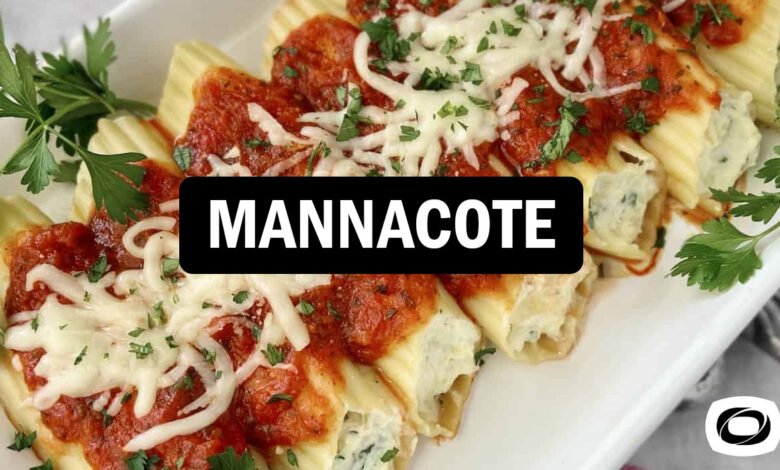
Mannacote is a word that many food lovers come across but few fully understand at first. If you have ever searched for this term and felt confused, you are not alone. In simple words, mannacote is a baked pasta dish that comes from Italian-American cooking traditions. It features large pasta tubes stuffed with a creamy cheese filling, covered in tomato sauce, and baked until golden and bubbling. The name itself is a regional or phonetic version of “manicotti,” a popular Italian-American comfort food. Over time, Italian immigrant families in America changed the way they pronounced manicotti, and the word mannacote was born.
What Does Mannacote Actually Mean?
The word mannacote is not an official Italian term. It is a variation of “manicotti,” which comes from the Italian word “manica,” meaning “sleeve.” This name makes sense because the pasta looks like small sleeves that hold a delicious filling inside. When Italian immigrants moved to the United States in the late 1800s and early 1900s, they brought their recipes and language with them. Over generations, the pronunciation of manicotti shifted in everyday speech, especially in Southern Italian dialects where vowel endings are often dropped and consonants are softened.
As a result, “manicotti” slowly became “mannacote” in many Italian-American households, particularly in the Northeastern United States. Places like New York, New Jersey, and Pennsylvania are well known for using this version of the word. It is similar to how many families have nicknames for common words. The spelling may look different, but the dish it describes is the same warm, cheesy, and comforting pasta that families have enjoyed for over a century.
The History and Origins of Mannacote
Mannacote has its roots in the Italian tradition of stuffed pasta. In Italy, dishes like cannelloni and pasta al forno have been part of family cooking for centuries. These dishes use pasta filled with cheese, meat, or vegetables, then baked in a rich sauce. When Italian families moved to America, they adapted these traditional recipes using the ingredients available in local markets. Fresh pasta sheets were harder to find, so cooks started using pre-formed dry pasta tubes instead. This change gave birth to what Americans now call manicotti, or in many homes, mannacote.
The dish quickly became a favorite for Sunday dinners, holidays like Christmas and Easter, and large family gatherings. Making mannacote was often a group activity where family members would work together to stuff the pasta, prepare the sauce, and get everything ready for the oven. This tradition of cooking together helped keep the recipe alive and gave it deep emotional value. For many families, mannacote is not just food. It is a connection to their heritage, their grandparents, and the stories that have been passed down through generations.
Key Ingredients in Mannacote
The beauty of mannacote is in its simplicity. You do not need fancy or hard-to-find ingredients to make it. The main components include large pasta tubes (manicotti shells), ricotta cheese, mozzarella cheese, parmesan cheese, eggs, fresh herbs like parsley or basil, and a good tomato marinara sauce. Ricotta gives the filling its creamy base, while mozzarella adds that stretchy, melty texture everyone loves. Parmesan brings a sharp, savory flavor, and eggs help bind the filling together so it stays inside the pasta during baking.
Many home cooks also add spinach to the filling for extra color and nutrition. Others prefer a heartier version and mix in cooked ground beef or Italian sausage. The sauce is usually a classic marinara made with tomatoes, garlic, olive oil, and herbs. Once the pasta tubes are stuffed and placed in a baking dish, they are covered with sauce and topped with extra cheese. The dish goes into the oven at around 375 degrees Fahrenheit (190 degrees Celsius) for about 25 to 35 minutes until everything is bubbling and golden on top.
Mannacote vs. Manicotti vs. Cannelloni
One of the most common questions people ask is whether mannacote, manicotti, and cannelloni are the same thing. The answer is both yes and no. Mannacote and manicotti refer to the same dish. The only difference between them is how the word is spelled and pronounced. Some families say mannacote because that is how their grandparents said it. Others use manicotti because that is what they see on the packaging at the grocery store. There is no difference in the recipe, ingredients, or cooking method.
Cannelloni, on the other hand, is slightly different. In traditional Italian cooking, cannelloni uses fresh pasta sheets that are rolled around the filling to form tubes. Manicotti (or mannacote) in America typically uses pre-formed, ridged pasta tubes that come dry in a box. Cannelloni is also more common in Italy, while manicotti is mainly an Italian-American creation. However, in modern kitchens, many people use these terms interchangeably. The most important thing is that all three versions share the same heart: a comforting, cheese-filled baked pasta dish that brings people together.
How to Serve and Store Mannacote
Mannacote works perfectly as a main course for any occasion. It pairs well with a simple green salad, garlic bread, or roasted vegetables on the side. A glass of red wine also complements the rich flavors of the cheese and tomato sauce. This dish is a crowd-pleaser at dinner parties, potlucks, and holiday meals because it is filling, flavorful, and easy to serve in large portions.
If you want to prepare mannacote ahead of time, you can assemble the entire dish, cover it tightly, and store it in the refrigerator for up to 24 hours before baking. You can also freeze it before baking. When you are ready to eat, simply bake it directly from frozen and add a few extra minutes of cooking time. Leftover mannacote reheats well in the oven and stays fresh in the refrigerator for about three to four days. This makes it an excellent choice for meal prep, as you can enjoy it throughout the week without losing any of its delicious taste.
Nutritional Value of Mannacote
Mannacote is a rich and filling dish, so it is good to know what you are eating. A typical serving of two stuffed pasta tubes with sauce contains around 400 to 500 calories, 20 to 25 grams of protein, and 20 to 30 grams of fat. The cheese provides a good amount of calcium and protein, which support strong bones and muscles. If you add spinach or other vegetables to the filling, you also get vitamins A and C along with healthy fiber.
For a lighter version, you can use part-skim ricotta and mozzarella, choose whole wheat pasta shells, or use a low-sodium tomato sauce. These small changes reduce the calorie and fat content without taking away from the taste. Since mannacote is baked rather than fried, it is already a healthier option compared to many other comfort food dishes. You can easily adjust the recipe to fit your dietary needs while still enjoying this classic Italian-American favorite.
Conclusion
Mannacote is much more than a baked pasta dish. It represents family traditions, cultural heritage, and the way food brings people together. Whether you call it mannacote, manicotti, or even cannelloni, the warm flavors of creamy cheese, rich tomato sauce, and perfectly baked pasta remain the same. It is simple to make, easy to customize, and always satisfying. If you have never tried making it at home, now is the perfect time to start your own mannacote tradition.
Frequently Asked Questions
1. Is mannacote the same as manicotti?
Yes, mannacote and manicotti are the same dish. The name mannacote is simply a regional pronunciation that developed in Italian-American families over many generations. The recipe, ingredients, and cooking method are identical.
2. Can I make mannacote ahead of time?
Absolutely. You can assemble the dish, cover it, and refrigerate it for up to 24 hours. You can also freeze it before baking and cook it directly from frozen when you are ready to serve.
3. What is the best cheese for mannacote filling?
A blend of ricotta, mozzarella, and parmesan works best. Ricotta gives creaminess, mozzarella adds stretch and melt, and parmesan provides a sharp, savory flavor that brings everything together.
Discover more fascinating content at Fusio News