
What Technology Powers a Modern Online Company Store and What Should Come Standard?

Visit an online company store and you’re walking into something far more complex than it looks. Behind every product image and checkout button sits a layered stack of software, infrastructure, and integrations doing serious work. These storefronts have become indispensable — businesses use them to move branded merchandise, distribute employee gifts, and push promotional items straight to their audiences. But knowing which technology drives these platforms, and which features should come baked in by default, matters enormously when you’re deciding where to plant your company’s retail flag. Security, inventory, payments, user experience — a good store juggles all of it. Get the foundation wrong and you’re not just losing sales. You’re losing customers who won’t come back.
Core Platform Infrastructure and E-Commerce Capabilities
Everything starts with the platform itself. It needs to handle product catalogs, track inventory in real time, and push transactions through securely — basic stuff, but the execution is what separates good stores from broken ones. Shopping cart functionality, checkout flows, customer account management — these have to work on desktop and on a cracked phone screen equally well. Branded merchandise throws in extra complexity. Sizes, colors, custom text, logo placements — your system has to manage product variations without falling apart. Payment gateway integration isn’t optional. Credit cards, digital wallets, company billing accounts for employee purchases — all of it needs to run cleanly. Without that core infrastructure locked down, even a gorgeous storefront will bleed customers before they hit “buy.”
Customization, Branding, and User Experience Features
Your store should feel like yours. That means the platform has to support real brand customization — logos, color palettes, messaging that actually sounds like your company rather than a generic template. But aesthetics alone don’t drive conversions. Customers need to find things fast. Advanced search filters, smart product recommendations, intuitive category structures — these aren’t luxuries. They’re retention tools. And mobile responsiveness? Table stakes at this point. Most people are shopping from their phones, so if your store renders badly on a 6-inch screen, you’ve already lost them. For distributed organizations managing branded merchandise programs across multiple teams or locations, this consistency problem gets bigger fast. That’s exactly why many turn to trusted online company stores — streamlined ordering, unified branding, same experience regardless of who’s logging in or from where. Good UX cuts abandonment.
Security, Compliance, and Data Protection Standards
Customer payment data is not something you gamble with. Full stop. Your platform must comply with payment card industry standards and run encryption protocols that protect financial data during every transaction. Security patches and vulnerability monitoring shouldn’t be premium add-ons — they should come standard, because threats don’t wait for your renewal cycle. Multi-factor authentication for customer accounts. Secure session management. These aren’t edge cases; they’re baseline expectations. Privacy regulations are tightening across jurisdictions, and staying compliant with the rules relevant to your business reduces legal exposure significantly. Beyond that, your platform should maintain clean audit trails — transaction records that hold up during internal reviews, compliance checks, or payment disputes. A breach doesn’t just cost money. It costs trust, and that’s harder to rebuild.
Analytics, Reporting, and Business Intelligence Tools
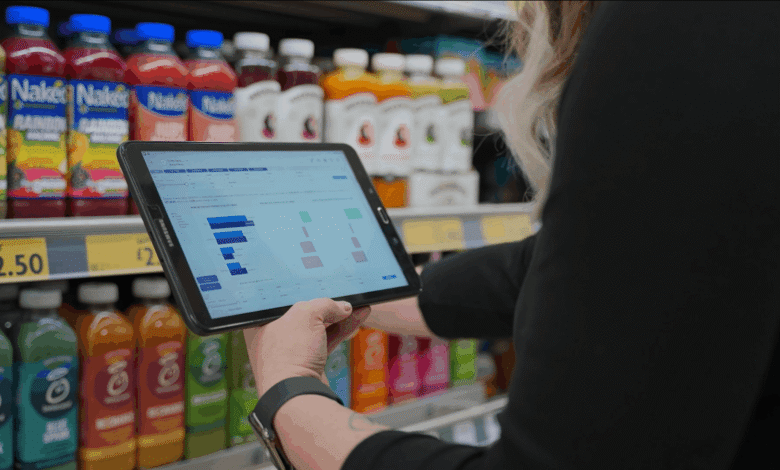
You can’t improve what you can’t see. Your store platform needs to surface sales figures, traffic sources, customer demographics, and product performance data in ways that actually inform decisions — not just fill dashboards nobody checks. Real-time inventory visibility matters. So does order status tracking and revenue monitoring. Conversion rate data and behavioral analytics show you exactly where customers stall out during shopping. Something’s causing drop-off at checkout? You’ll only know if the data tells you. Integration with your broader business systems — accounting software, inventory management tools — keeps everything in sync without manual exports and re-entry. Fly blind and you’ll keep making the same expensive mistakes, just without knowing why.
Conclusion
There’s no single magic feature that makes an online company store work. It’s the combination — e-commerce fundamentals, brand customization, airtight security, mobile responsiveness, and analytics that actually inform decisions. These aren’t stretch goals. They should come standard. When you’re evaluating platforms, push hard on the core capabilities your business genuinely needs rather than getting dazzled by features you’ll never use. The right technology investment doesn’t just make your store functional. It makes it a tool that actively supports your customers and your business goals at the same time.
