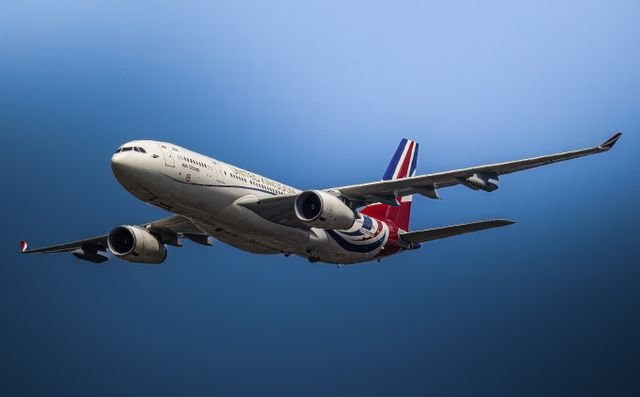
Quieter. Cleaner. Safer. Aircraft rolling off assembly lines in the next decade could outperform today’s machines on every one of those fronts, and this isn’t wishful thinking. Composites, AI-driven routing, and alternative fuels are already reshaping how aircraft are built and flown. The reach of this transformation is significant. Commercial airlines, military operations, passengers, and environmental initiatives are all being influenced by advances in aerospace technology. So what is actually changing?
1. Advanced Materials Reshaping Aircraft Construction
Traditional aluminum is steadily giving way to advanced materials. Carbon-fiber-reinforced polymers and other high-performance composites can match or exceed aluminum’s strength while weighing significantly less. Aircraft such as the Boeing 787 Dreamliner and Airbus A350 rely heavily on these materials, with a substantial portion of their structures built from composites rather than traditional metals.
Reducing an aircraft’s weight directly decreases fuel consumption. Over thousands of flights, even small reductions in weight can result in major savings in fuel costs and emissions. Composite materials also offer advantages in durability. They are highly resistant to corrosion, perform well under extreme temperatures, and better withstand long-term fatigue compared to many conventional materials.
These are not theoretical benefits. They are already being demonstrated in commercial fleets around the world, helping airlines operate more efficiently while improving aircraft performance.
2. Electric and Hybrid-Electric Propulsion Systems
Jet fuel remains the dominant source of aircraft power, but alternative propulsion technologies are advancing rapidly. Electric aircraft prototypes have already completed successful test flights, demonstrating the potential for battery-powered aviation on shorter routes.
Hybrid-electric systems represent another promising solution. By combining traditional engines with electric propulsion, manufacturers can reduce fuel consumption and emissions while maintaining operational flexibility and reliability. These systems may be particularly effective on regional routes where flight distances are shorter.
Governments, airlines, and aerospace companies continue investing heavily in these technologies. Regulatory pressure, environmental objectives, and consumer demand for more sustainable travel options all contribute to growing interest in alternative propulsion.
While widespread adoption will take time, electric and hybrid-electric aircraft are expected to become increasingly common as battery technology and supporting infrastructure continue to improve.
3. Artificial Intelligence Optimizing Flight Operations
Artificial intelligence is becoming an important tool throughout the aviation industry. Modern AI systems can analyze weather patterns, air traffic conditions, aircraft performance data, fuel consumption trends, and operational requirements simultaneously.
This analysis allows airlines to optimize flight paths, reduce delays, and improve fuel efficiency. Even modest improvements can have a substantial impact when applied across large fleets operating thousands of flights every year.
Air traffic management is also benefiting from AI-powered systems that help identify congestion and improve traffic flow. More efficient routing can reduce fuel usage while enhancing schedule reliability.
Maintenance operations are undergoing significant changes as well. Predictive maintenance systems analyze performance data and detect early signs of wear or potential failures before significant problems develop. This allows technicians to address concerns proactively, reducing downtime and improving safety.
During these inspections, precision remains critical. Aviation professionals often depend on tools such as Extech Calibration equipment to verify that instruments and sensors continue operating within required specifications before aircraft return to service.
4. Sustainable Aviation Fuels and Emissions Reduction
Sustainable aviation fuels have moved beyond experimental projects and into real-world airline operations. Produced from sources such as used cooking oil, agricultural waste, algae, and other renewable feedstocks, these fuels offer a practical pathway toward reduced aviation emissions.
One of their biggest advantages is compatibility. Sustainable aviation fuels can often be blended with conventional jet fuel and used in existing aircraft without requiring major modifications to engines or fuel systems. This allows airlines to participate without replacing current fleets.
Growing regulatory requirements and environmental commitments are accelerating investment in sustainable fuel production. When produced and used appropriately, these fuels can significantly reduce lifecycle carbon emissions compared to conventional aviation fuel.
As production scales and availability expands, sustainable fuels are expected to play an increasingly important role in helping aviation meet long-term environmental goals.
5. Autonomous Flight Systems and Safety Enhancement
Automation already plays a central role in modern flight operations. Commercial aircraft routinely use advanced autopilot systems during climb, cruise, and landing phases. Emerging autonomous technologies build upon these capabilities.
Modern autonomous systems combine data from multiple sensors, computers, and navigation systems to improve situational awareness and operational decision-making. These technologies can process information rapidly, helping aircraft respond to changing conditions with remarkable precision.
One advantage of automation is consistency. Automated systems do not experience fatigue, distraction, or lapses in concentration. As a result, they can support pilots by monitoring aircraft systems and environmental conditions continuously.
Importantly, the goal is not to remove pilots from the cockpit. Instead, manufacturers and airlines are using automation to reduce workload, improve efficiency, and enhance safety. Human expertise remains an essential part of flight operations, especially during complex and unusual situations.
Conclusion
The future of flight is being shaped by multiple innovations working together. Advanced composites reduce aircraft weight. Electric and hybrid propulsion systems offer cleaner alternatives to conventional engines. Artificial intelligence improves operational efficiency and predictive maintenance. Sustainable aviation fuels lower emissions. Autonomous technologies strengthen safety and decision-making capabilities.
These developments are not occurring in isolation. They are converging to address aviation’s biggest challenges: efficiency, sustainability, reliability, and safety.
Passengers may experience the results through quieter cabins, more efficient flights, improved reliability, and reduced environmental impact. What is happening today represents far more than incremental improvement. It is a major transformation in how aircraft are designed, operated, and maintained, and that transformation is already well underway.