Who Is Brahman Galanti? The Full Inside Story of Lyssa Chapman’s Former Husband

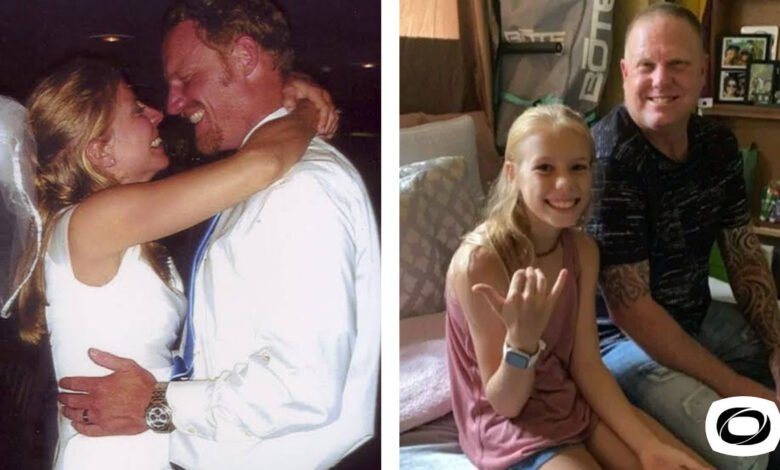
Brahman Galanti is best known as the former husband of Lyssa Chapman, the American reality TV star and bounty hunter famous for appearing on the A&E series Dog the Bounty Hunter. He came into the public eye after marrying into one of America’s most recognised television families. While his time in the spotlight was brief, his story covers real-life struggles with addiction, domestic troubles, legal challenges, and a personal journey toward recovery. People are still curious about who he really is and what his life looks like today.
| Full Name | Brahman “Bo” Galanti |
|---|---|
| Date of Birth | July 24, 1973 |
| Age (2025) | 52 Years Old |
| Birthplace | Oahu, Hawaii, USA |
| Nationality | American |
| Ethnicity | Caucasian |
| Zodiac Sign | Leo |
| Eye Colour | Brown |
| Hair Colour | Blonde |
| Famous For | Being Lyssa Chapman’s Ex-Husband |
| Marital Status | Divorced |
| Ex-Wife | Lyssa “Baby Lyssa” Chapman |
| Marriage Date | February 20, 2009 |
| Divorce Year | 2011 |
| Children | Three Daughters |
| Known Daughter | Madalynn Grace Galanti |
| TV Appearance | Dog the Bounty Hunter (A&E) |
| Current Residence | Hawaii, USA |
| Net Worth | Not Publicly Known |
Early Life and Background
Brahman “Bo” Galanti was born on July 24, 1973, on the beautiful island of Oahu, Hawaii. He grew up in a place known for its warm culture and tight-knit communities. Despite his eventual connection to a well-known TV family, Brahman lived a very private life before meeting the Chapmans. Very little is publicly known about his childhood, family background, or education, as he never sought the spotlight on his own.
From an early age, Brahman battled addiction, which shaped much of his adult life. Between 2000 and 2006, he took part in multiple recovery programmes in an effort to get clean. These recovery efforts would eventually lead to one of the most significant relationships of his life.

How He Met Lyssa Chapman
Brahman met Lyssa Chapman around 2006 through her parents, Duane “Dog” Chapman and Beth Chapman. The Chapman family regularly worked with people going through recovery and often hired individuals from rehabilitation programmes to do work around their home. That is how Brahman and Lyssa first crossed paths.
In a 2020 interview with The US Sun, Lyssa shared: “I actually met him through my parents, who worked a lot with people in recovery, and they used to hire people to do stuff around the house, and that’s how I met Bo through his recovery programme.” The two spent several years getting to know each other before their friendship turned romantic.
Marriage to Lyssa Chapman
Brahman Galanti and Lyssa Chapman tied the knot on February 20, 2009, in a beach ceremony in Oahu, Hawaii. At the time of the wedding, Brahman was 36 years old and Lyssa was just 22. Their age gap attracted some attention from the media, but fans of Dog the Bounty Hunter were happy to see Lyssa settle down. The ceremony was a meaningful occasion, with Duane “Dog” Chapman walking Lyssa down the aisle and Beth Chapman serving as matron of honour.
In August 2009, just months after the wedding, the couple welcomed their daughter, Madalynn Grace Galanti. The birth of their child was a joyful milestone. However, behind the scenes, the marriage was already facing serious difficulties linked to Brahman’s ongoing struggles with substance use and personal behaviour.
Divorce and Domestic Troubles
Lyssa filed for divorce in February 2011, and the split was finalised later that same year. According to reports from Radar Online, the marriage became increasingly difficult due to domestic issues, with Lyssa stating that Brahman had been abusive on multiple occasions. She had kicked him out of their home several times, and in October 2010, he returned without her consent.
The couple tried marriage counselling, but the therapist advised Lyssa to leave the relationship after therapy did not work. Her family had urged her to report the situation to police, but she chose not to, hoping to avoid tabloid attention. One month after the divorce was filed, Brahman was arrested for criminal property damage and assaulting a police officer.
Legal Issues and Prison Time
Brahman’s troubles with the law did not stop after the divorce. His battle with drug addiction continued to affect his decisions and his freedom. In 2016, he was convicted on drug-related charges and began serving a four-year prison sentence.
He was released in late 2020 and returned to Hawaii. Since his release, credible sources have confirmed that he has not faced any new legal issues. While he does not speak publicly or give interviews, those close to the Chapman family have noted that he is focused on staying sober and rebuilding his life.
Life After Prison and Today
Since his release from prison, Brahman has chosen to live a quiet, private life away from cameras and media attention. He moved closer to Lyssa’s location in Hawaii specifically to stay involved in the life of their daughter, Madalynn. Reports suggest a documented reunion between Brahman and Madalynn, which showed a father genuinely trying to reconnect after years of absence and mistakes.
Today, Brahman does not use social media and has no public profiles on major platforms. His focus appears to be on long-term sobriety, responsible fatherhood, and building a stable daily routine. His journey shows how people can attempt to rebuild their lives after very public failures, even if the road is long and difficult.
About Lyssa Chapman Today
Lyssa Chapman has moved forward with her own life in a positive way. She currently lives in Hawaii with her wife, Leiana Evensen, whom she married in June 2022 in a beach ceremony. Lyssa runs her own online clothing brand and has been an advocate for missing children and victims of trafficking.
She is also the author of Walking on Eggshells: Discovering Strength and Courage Amid Chaos, published in 2013 by Howard Books. Her story, and the chapters connected to Brahman, have become part of a broader conversation about domestic abuse, resilience, and personal growth.
Brahman Galanti’s Children
Brahman Galanti is the father of three daughters. The most well-known of his children is Madalynn Grace Galanti, born in August 2009 during his marriage to Lyssa. Details about his other two daughters remain private, which reflects his overall preference for keeping family matters away from the public.
Despite the difficulties of his past, Brahman has shown commitment to his role as a father. His renewed effort to be present in Madalynn’s life suggests he views fatherhood as a key priority in his recovery journey.
Conclusion
Brahman Galanti’s story is one of personal struggle, public scrutiny, and the slow process of rebuilding. He entered the spotlight through his marriage to Lyssa Chapman and exited it under difficult circumstances. Today, he lives privately in Hawaii, focused on sobriety and reconnecting with his daughter. His life serves as a reminder that second chances are possible, even after very hard chapters.
Frequently Asked Questions (FAQs)
1. Who is Brahman Galanti?
Brahman Galanti is an American man best known as the former husband of Lyssa “Baby Lyssa” Chapman, daughter of the famous bounty hunter Duane “Dog” Chapman.
2. When did Brahman Galanti and Lyssa Chapman get married?
They got married on February 20, 2009, in Oahu, Hawaii, and divorced in 2011.
3. Does Brahman Galanti have children?
Yes, he has three daughters. The most well-known is Madalynn Grace Galanti, born in August 2009 with Lyssa Chapman.
4. Did Brahman Galanti go to prison?
Yes. He served a four-year prison sentence starting in 2016 for drug-related charges and was released in late 2020.
5. Where is Brahman Galanti now?
As of 2025, Brahman Galanti lives quietly in Hawaii. He stays out of the public eye and focuses on recovery and spending time with his daughter Madalynn.
Discover more fascinating content at Fusio News