Who Is Eulala Scheel? The Captivating Life Story of Marcia Gay Harden’s Daughter

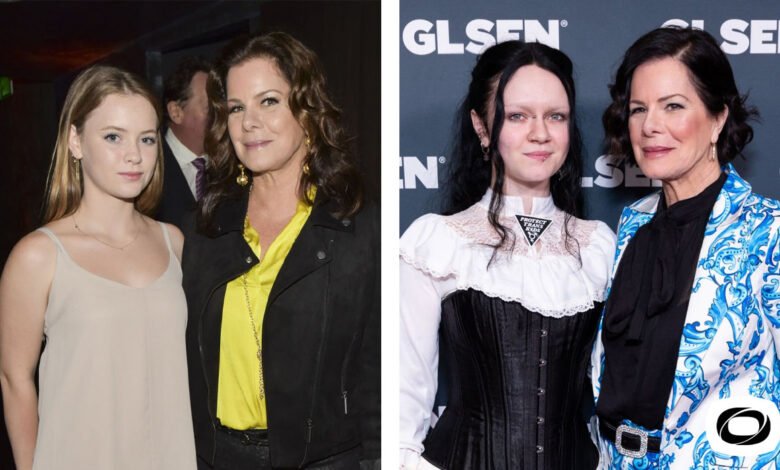
Eulala Scheel is the eldest child of Oscar-winning actress Marcia Gay Harden and filmmaker Thaddaeus Scheel. Born on September 23, 1998, in New York City, Eulala grew up in a home where creativity was part of everyday life. While many people know her through her famous mother, Eulala has quietly built her own identity as a visual artist, former child actress, and proud non-binary individual. Her story is one of personal growth, artistic passion, and the courage to live authentically.
Quick Bio Table
| Detail | Information |
|---|---|
| Full Name | Eulala Grace Scheel |
| Date of Birth | September 23, 1998 |
| Place of Birth | New York City, USA |
| Age (2025) | 26 years old |
| Nationality | American |
| Gender Identity | Non-binary (they/them pronouns) |
| Mother | Marcia Gay Harden (Actress) |
| Father | Thaddaeus Scheel (Filmmaker and Director) |
| Siblings | Hudson Harden Scheel (brother), Julitta Dee Harden Scheel (sister) |
| Education | Bennington College, Vermont (Graduated 2020) |
| Profession | Visual Artist, Former Actress |
| Artistic Focus | Sculpture, Ceramics, Metalwork, Film |
| Known For | Pollock (2000), Whip It (2009), Workaholics (2012-2013) |
Early Life and Family Background
Eulala Scheel was born into a family deeply rooted in the arts. Her mother, Marcia Gay Harden, is a celebrated Hollywood actress who won the Academy Award for Best Supporting Actress for her role in Pollock (2000). Her father, Thaddaeus Scheel, is a respected filmmaker and location manager who has worked on a number of high-profile projects. Growing up in New York City, Eulala was surrounded by storytelling, film sets, and creative energy from a very young age.
As the eldest of three children, Eulala shares her family with younger twin siblings Hudson Harden Scheel and Julitta Dee Harden Scheel, who were born on April 22, 2004. The Scheel family has always encouraged artistic expression. Marcia and Thaddaeus were married in 1996 and divorced in 2012, but both remained dedicated parents. Eulala and her siblings grew up with a strong sense of individuality and were supported in following their own paths, no matter where those paths led.
Acting Career: A Child Star in the Making
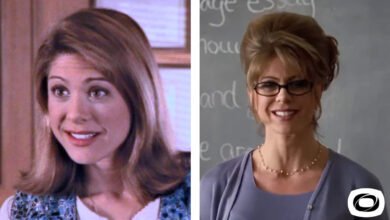
Eulala began acting at a remarkably young age. Her very first on-screen appearance came in the biographical film Pollock (2000), directed by and starring Ed Harris, where she appeared alongside her mother in an uncredited role. Even before that, Eulala and Marcia performed together on stage at the Olney Theatre in Olney, Maryland, showing just how early her love for performance began.
Her first speaking role came in 2005 with the television movie Felicity: An American Girl Adventure, where she played Nan Merriman. She continued to work in film and television throughout her younger years, appearing in Home (2008) as Indigo, Whip It (2009) as Shania Cavender, Workaholics (2012-2013) as Haley, and Trophy Wife (2014) as Allie. Interestingly, Eulala played the on-screen daughter of Marcia Gay Harden in several of these projects, turning their real-life mother-child bond into something audiences could actually watch on screen.
Education and the Shift to Visual Arts
As Eulala grew older, their interests shifted from on-screen acting to the world of visual art. They attended Bennington College, a well-regarded liberal arts college in Vermont known for its independent and creative learning environment. At Bennington, Eulala focused on sculpture, ceramics, and film, developing a hands-on approach to artistic expression that felt truly personal.
During the COVID-19 pandemic, when graduation ceremonies were cancelled, Marcia Gay Harden told People magazine that Eulala was “devastated” about missing the traditional celebrations. However, Eulala responded with creativity and resilience. Rather than giving up, they transformed the family’s home in the Catskills into an art commune where classmates could gather, collaborate, and finish their work together. This moment perfectly showed the kind of person Eulala is: resourceful, community-minded, and committed to their craft no matter the circumstances.
Artistic Pursuits: More Than Just a Famous Name
After graduating from Bennington College in 2020, Eulala continued to grow as a visual artist. Their work spans several mediums, including sculpture, ceramics, drawing, and welding. In a notable project during their college years, Eulala contributed to sculpting a touchable cast of a T. rex femur at the American Museum of Natural History, a project that showed both their technical skill and their range as an artist.
Marcia Gay Harden has spoken proudly about Eulala’s artistic journey in interviews. In a conversation with LGBTQ Nation, Marcia revealed that after graduating from Bennington with an art major, Eulala also attended Apex Technical School to better understand fabrication work, with the goal of working at a fabrication shop. “Eulala has an ability to draw, sculpt, and now weld,” Marcia shared warmly. It is clear that Eulala approaches their art with serious dedication, building real technical skills rather than simply relying on their family name.
Identity and Advocacy
In May 2023, during the “Drag Isn’t Dangerous: A Digital Fundraiser” live telethon, Marcia Gay Harden publicly shared that all three of her children identify as queer. She stated, “My eldest child is non-binary. My son is gay. My youngest is fluid. And you know, they are my kids, and they teach me every day.” This public acknowledgment brought wider attention to Eulala’s identity, which they have navigated with quiet strength and dignity.
Eulala uses they/them pronouns and identifies as non-binary. They have largely stayed private about this part of their life, allowing their mother to advocate openly on their behalf. Marcia has become a visible supporter of LGBTQ+ rights, crediting her children as the driving force behind her activism. For Eulala, having such an accepting and outspoken parent has clearly played an important role in their journey toward self-acceptance and personal confidence.
The Bond Between Eulala and Marcia Gay Harden
The relationship between Eulala and their mother is clearly one built on love, respect, and mutual admiration. Marcia has spoken about her children many times in interviews, always expressing pride in their individuality. She has described herself as a protective yet open-minded parent who wants her children to “be free to make their own mistakes” while offering gentle guidance along the way.
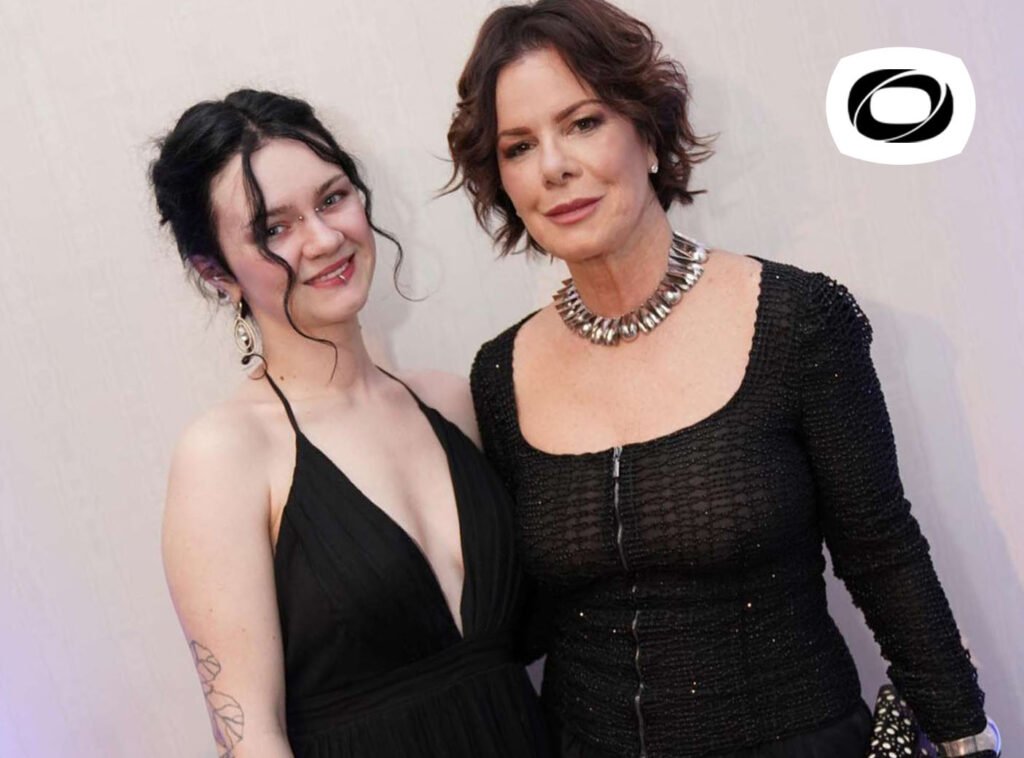
The two have shared public appearances together over the years, including at the Creative Arts Emmy Awards, and Marcia regularly celebrates Eulala’s achievements on social media. In one touching interview, Marcia described driving out to bring Eulala a bunch of tulips she had grown herself, saying she knew Eulala would appreciate them in the same way she did. These small, genuine details paint a picture of a close and caring relationship that goes far beyond the Hollywood spotlight.
Siblings: A Creative Family Unit
Eulala is not alone in their creative journey. Their younger brother, Hudson Harden Scheel, is also deeply involved in the arts. He graduated from the Interlochen Center for the Arts and went on to study at the Royal Conservatoire of Scotland. Hudson came out as gay and has been an open advocate for LGBTQ+ rights, much like his family.
Their sister, Julitta Dee Harden Scheel, identifies as fluid and has pursued her own artistic path. Julitta studied at the Rhode Island School of Design, where she focused on design and sustainability in textiles. She has also appeared in television projects including Trophy Wife, Code Black, and the series Kidding. Together, the three Scheel siblings form a creative and progressive family unit that reflects the values their parents instilled in them from a young age.
Conclusion
Eulala Scheel is far more than just the child of a famous actress. They are a talented artist, a thoughtful individual, and a quiet but meaningful advocate for authentic living. From their early acting days in Pollock to their work in sculpture and welding, Eulala has always followed their passion with purpose. Their story reminds us that the most interesting paths are often the ones taken away from the spotlight, guided by creativity, courage, and a strong sense of self.
Frequently Asked Questions
1. Who is Eulala Scheel?
Eulala Scheel is the eldest child of Academy Award-winning actress Marcia Gay Harden and filmmaker Thaddaeus Scheel. They are a visual artist and former child actress based in New York.
2. What movies has Eulala Scheel appeared in?
Eulala appeared in Pollock (2000), Felicity: An American Girl Adventure (2005), Home (2008), Whip It (2009), Workaholics (2012-2013), and Trophy Wife (2014).
3. Where did Eulala Scheel go to college?
Eulala graduated from Bennington College in Vermont in 2020, where they focused on sculpture, ceramics, and film.
Discover more fascinating content at Fusio News