What Is Kinervus? How It Connects Your Brain, Nerves, and Body for Better Health and Recovery

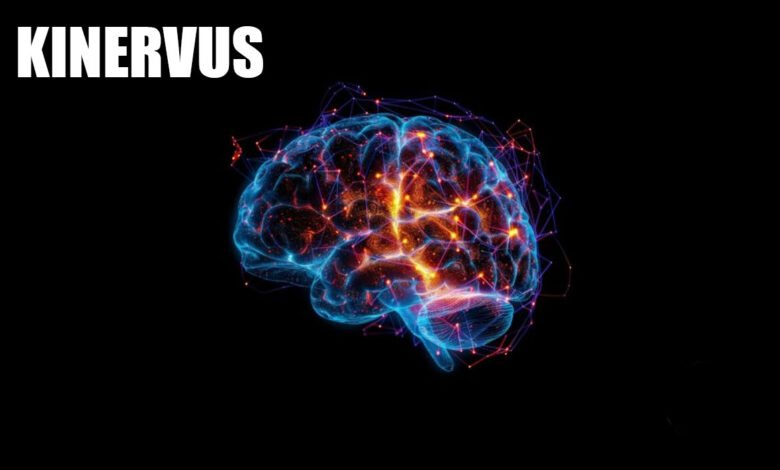
Kinervus is a modern concept that is quickly gaining attention in health, fitness, and rehabilitation circles. It describes the powerful connection between your brain, nerves, and muscles and how this connection controls every movement you make. Whether you are recovering from an injury, trying to improve your fitness, or simply curious about how your body works, understanding Kinervus can open the door to better health and smarter recovery.
What Does Kinervus Mean?
The word Kinervus comes from two ideas: kinesis, which means movement, and nervus, which is the Latin word for nerve. Together, they describe the process of how your nervous system controls your body’s movement. Every time you lift your hand, walk, or even blink, your brain sends signals through your nerves to your muscles.
Kinervus focuses on this communication system. It is not just about strong muscles. It is about how well your brain and nerves work together to guide those muscles. This idea is now used in physiotherapy, sports science, rehabilitation, and personal wellness.
How Does Kinervus Work in Your Body?
Your body moves because of a chain of events. First, your brain creates a signal. That signal travels down through your spinal cord and into your nerves. Then your muscles receive the message and respond. Kinervus studies and supports this entire process.
What makes this system special is that it works as a feedback loop. Your muscles also send information back to your brain. They tell the brain about your body’s position, balance, and force. Kinervus captures this two-way communication, helping people understand that movement is a skill the brain learns and improves over time.
Why Is the Nervous System So Important for Movement?
Many people focus only on muscle strength when they think about health or recovery. But muscles cannot work well if the brain cannot send clear signals to them. This is why someone who has had a stroke or spinal cord injury may struggle to move certain muscles, even if those muscles are still physically healthy.
Kinervus puts the nervous system at the center of movement. It recognizes that the brain controls everything. If the nervous system is damaged or weak, the body cannot perform properly. That is why rebuilding nerve connections is often more important than simply building muscle mass.
Kinervus and Neuroplasticity
One of the most exciting parts of the Kinervus concept is its link to neuroplasticity. Neuroplasticity means the brain’s ability to change and grow new connections throughout your life. The brain is not a fixed organ. It can learn, adapt, and reorganize itself based on your experiences and practice.
Kinervus uses this fact to support recovery and performance. When someone does targeted exercises that focus on movement quality and nerve signals, the brain forms new pathways. Over time, these pathways become stronger. This is how people recover lost abilities after injury and how athletes improve their coordination through consistent training.
How Kinervus Helps in Rehabilitation
Kinervus has a strong role in neurological rehabilitation. People recovering from conditions like stroke, Parkinson’s disease, multiple sclerosis, traumatic brain injury, or peripheral neuropathy can benefit greatly from this approach. Traditional therapy often focuses on building muscle strength. Kinervus goes deeper.
Therapists who use the Kinervus approach start with a detailed assessment of how the patient moves. They look at where nerve signal quality has dropped and design a personal recovery plan. The goal is to retrain the brain to communicate with the body again. This leads to real, lasting improvement rather than short-term relief.
Kinervus in Sports and Athletic Performance
Kinervus is not only for people recovering from illness or injury. Athletes and coaches also use its principles to improve performance. When an athlete trains with Kinervus in mind, they do not just focus on how much they can lift or how fast they can run. They focus on the quality of movement and the precision of neural control.
This approach helps athletes move more efficiently. It reduces the risk of injury because the body learns to use the right muscles at the right time. It also improves balance, coordination, and reaction time. These are skills that come from a well-trained nervous system, not just strong muscles.
Kinervus as a Wellness and Personal Development Tool
Beyond clinical and sports use, Kinervus is also becoming popular as a wellness philosophy. Many people use its core ideas to improve their daily habits, reduce stress, and build a healthier lifestyle. The idea is simple: when your brain, nerves, and body work in harmony, you feel better in every area of life.
Some wellness programs inspired by Kinervus combine mindfulness, movement training, and healthy routines. They help people become more aware of how their body responds to stress, rest, and activity. This holistic view of health is one reason why Kinervus is growing beyond the medical world and into everyday life.
Who Can Benefit from Kinervus?
Kinervus is for a wide range of people. Patients recovering from neurological conditions can use it to rebuild movement and independence. Athletes can use it to improve coordination and reduce injury. Older adults can use it to improve balance and prevent falls. And anyone who wants to understand their body better can benefit from learning about this concept.
The beauty of Kinervus is that it meets each person where they are. There is no one-size-fits-all program. Instead, the approach adjusts to the individual’s needs, goals, and current level of function. This makes it both practical and effective for many different situations.
Conclusion
Kinervus is a powerful concept that connects your brain, nerves, and muscles into one working system. It shows that movement is not just physical. It is neurological. Whether you are healing from an injury, training as an athlete, or simply wanting to live a healthier life, the principles of Kinervus offer real and practical value. As science continues to grow in this area, Kinervus is set to become an important part of modern health and recovery.
Frequently Asked Questions (FAQs)
Q1: What is Kinervus in simple words?
Kinervus is the idea that your brain, nerves, and muscles must work together for healthy movement and recovery.
Q2: Is Kinervus a medical treatment?
It is used in rehabilitation and physiotherapy, but it is also a broader concept applied in sports, wellness, and personal development.
Q3: Can Kinervus help stroke recovery?
Yes. By retraining the brain’s connection to the muscles through targeted movement therapy, Kinervus can support meaningful recovery after stroke.
Q4: Is Kinervus suitable for older adults?
Absolutely. Older adults can use Kinervus-based exercises to improve balance, coordination, and reduce the risk of falls.
Q5: Do I need a specialist to use Kinervus principles?
For medical rehabilitation, a trained therapist is recommended. For general wellness and movement improvement, many Kinervus principles can be applied through guided exercises at home.